
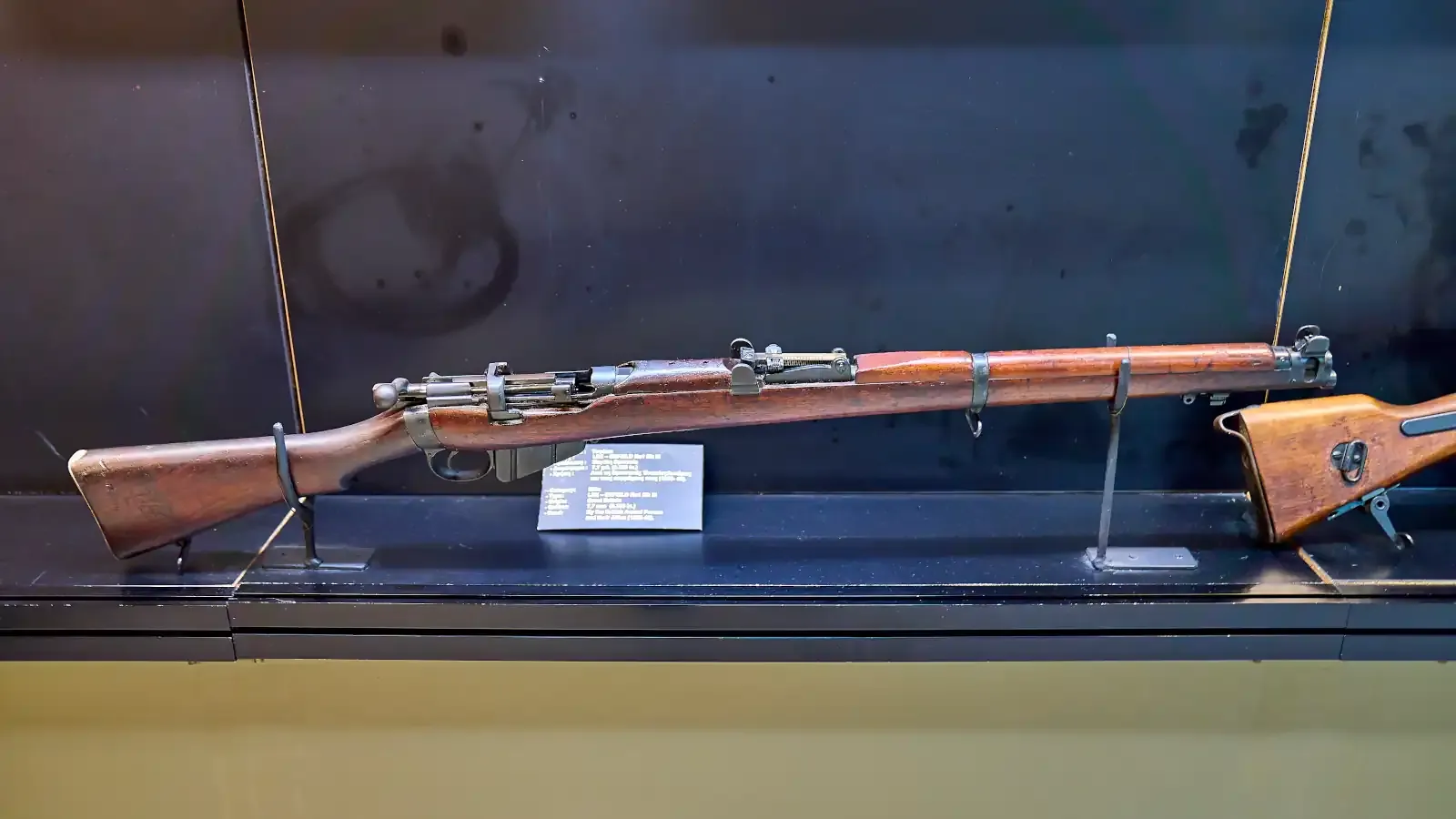
Lee-Enfield No. 4 Mk I: Britain’s Wartime Service Rifle
The Lee-Enfield No. 4 Mk I combined the established Lee-Enfield action with changes intended for wartime production. Its markings, components, and bolt-release system help distinguish factories and variants.
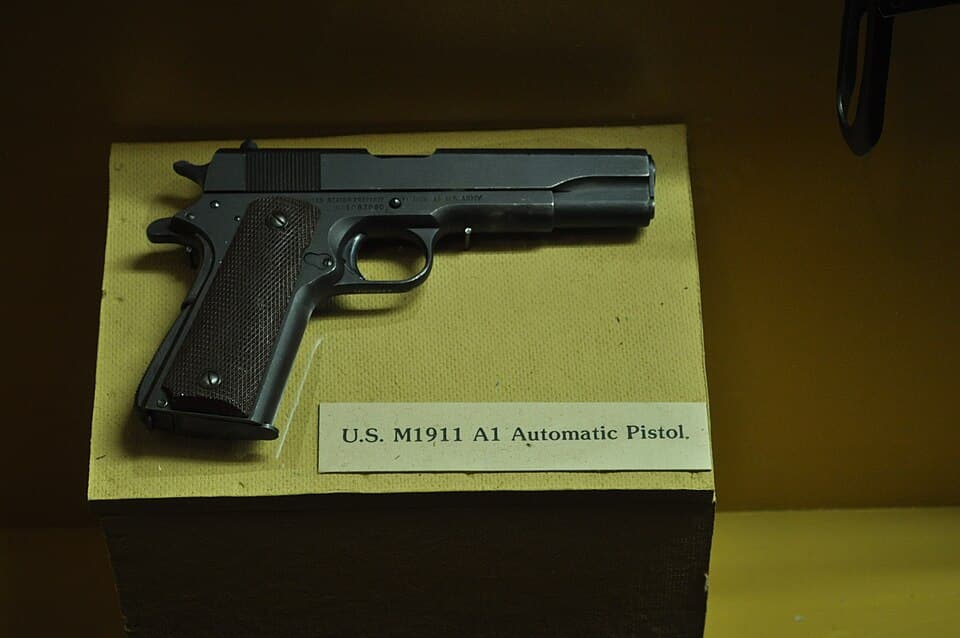
The Colt M1911A1: Refinement, Wartime Production, and Collector Identification
The M1911A1 refined John M. Browning’s original military pistol through several practical handling changes. Its wartime production and extensive rebuilding history make careful component identification essential.
Factory Names and Collector Nicknames: Which Belongs in a Reference Article?
Factory and service designations identify the firearm, while established nicknames provide useful context. Accurate reference writing distinguishes model names from descriptive labels, designer attributions, and an individual firearm’s provenance.
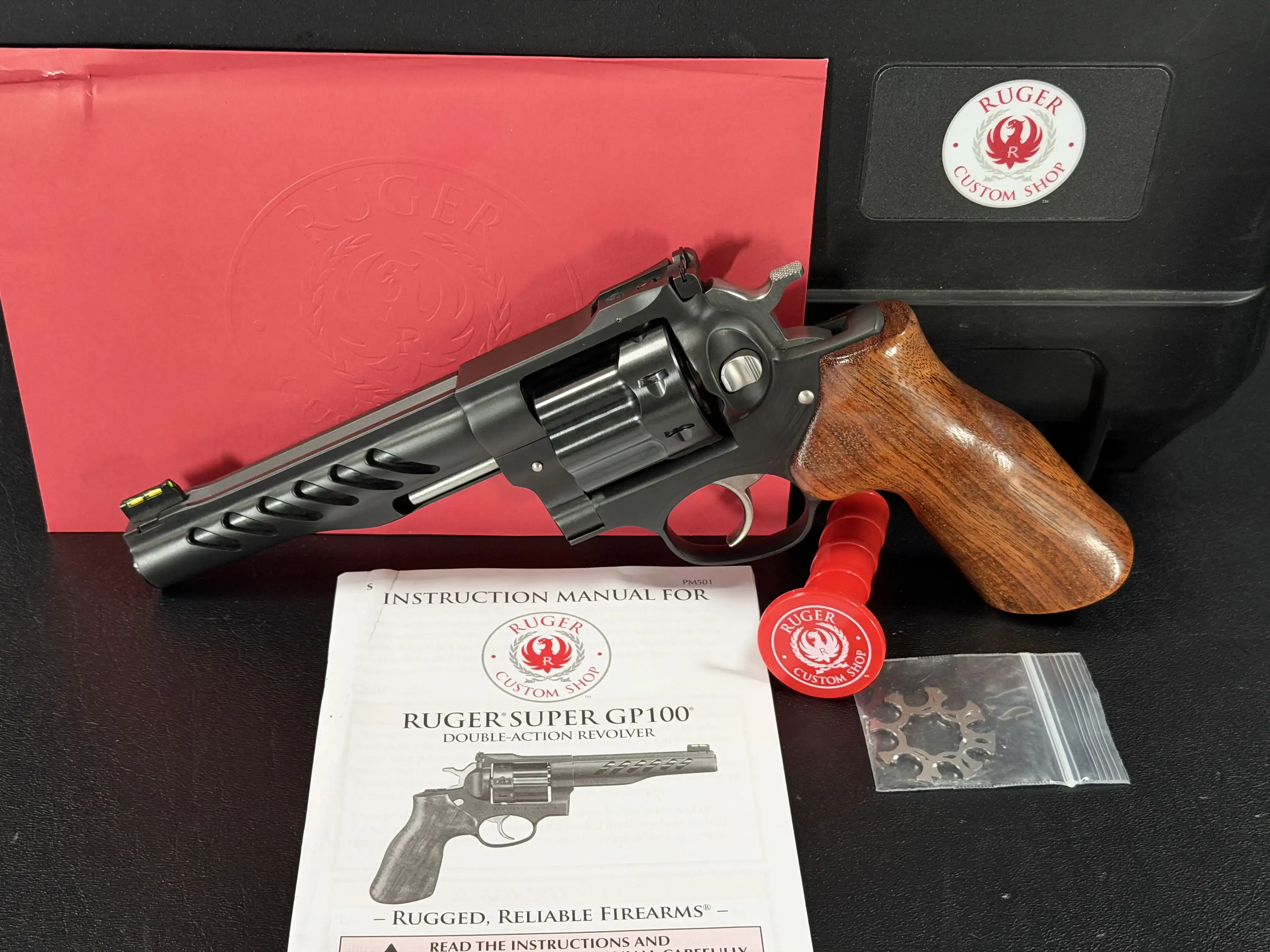
The Ruger GP100: Development, Mechanics, and Collector Identification
Introduced in 1985, the Ruger GP100 combined a reinforced frame with a three-point cylinder-locking system. Later chamberings and specialized variants expanded the platform beyond its original six-shot .357 Magnum configuration.
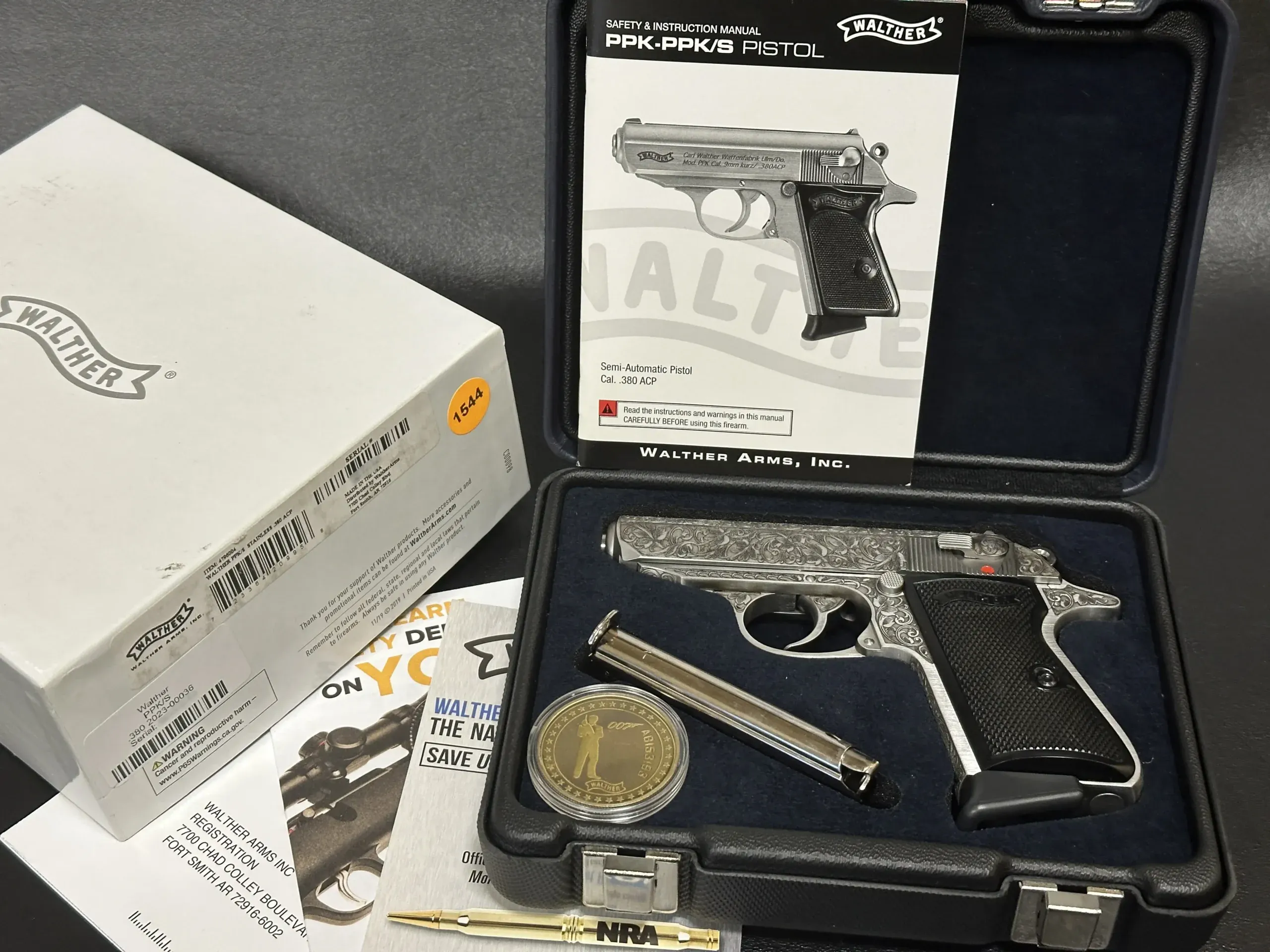
The Walther PPK: Compact Form, Lasting Design
Introduced in 1931, the Walther PPK adapted the PP’s double-action mechanism to a smaller, more concealable frame. Its history spans German, French, and American production, along with a documented connection to Ian Fleming’s James Bond.
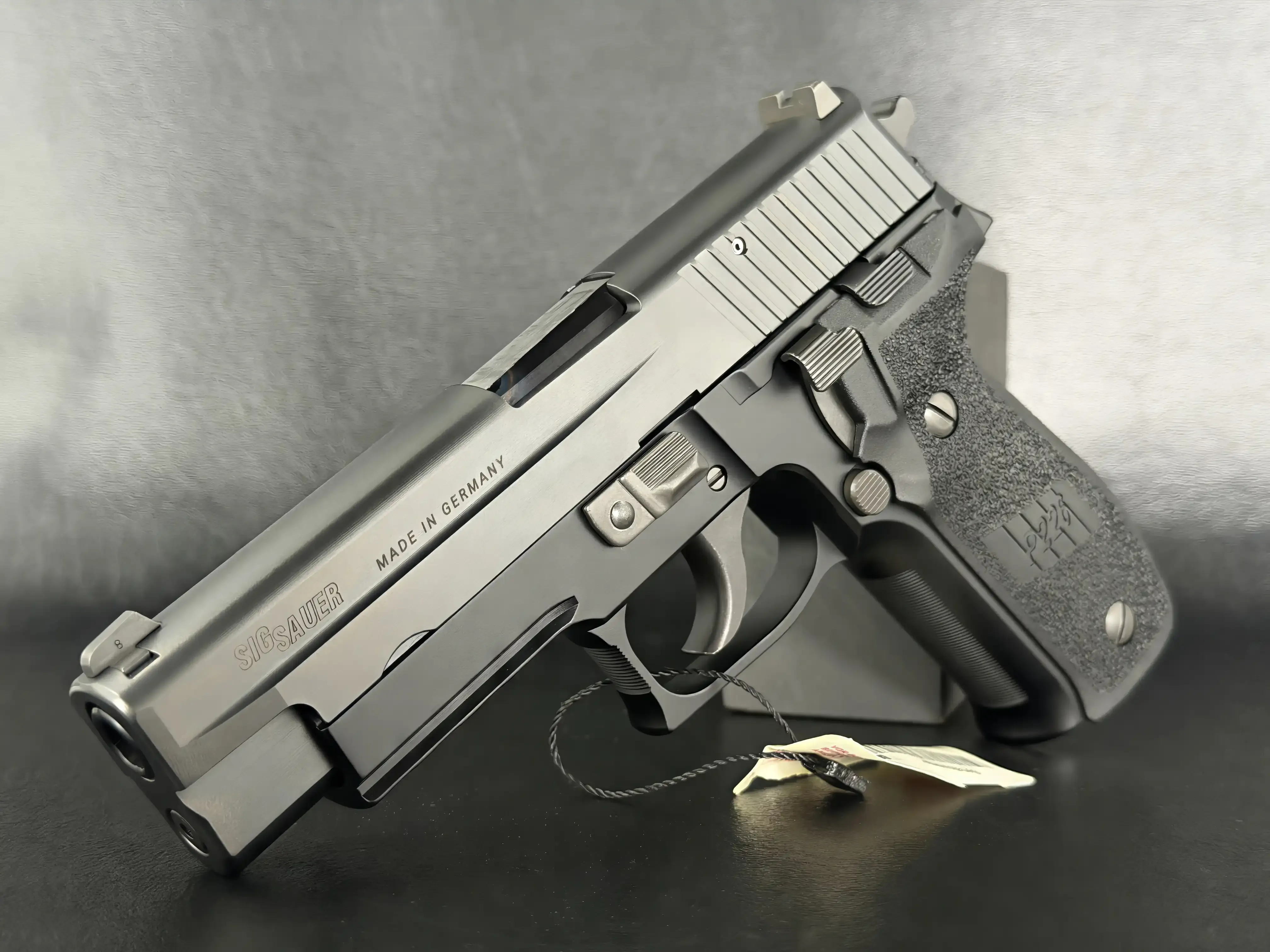
SIG Sauer P226: Design, Development, and Collector Identification
Developed for the U.S. military handgun trials, the SIG Sauer P226 became a long-running family of hammer-fired service pistols. Construction, caliber, controls, and the trigger system distinguish its main configurations.
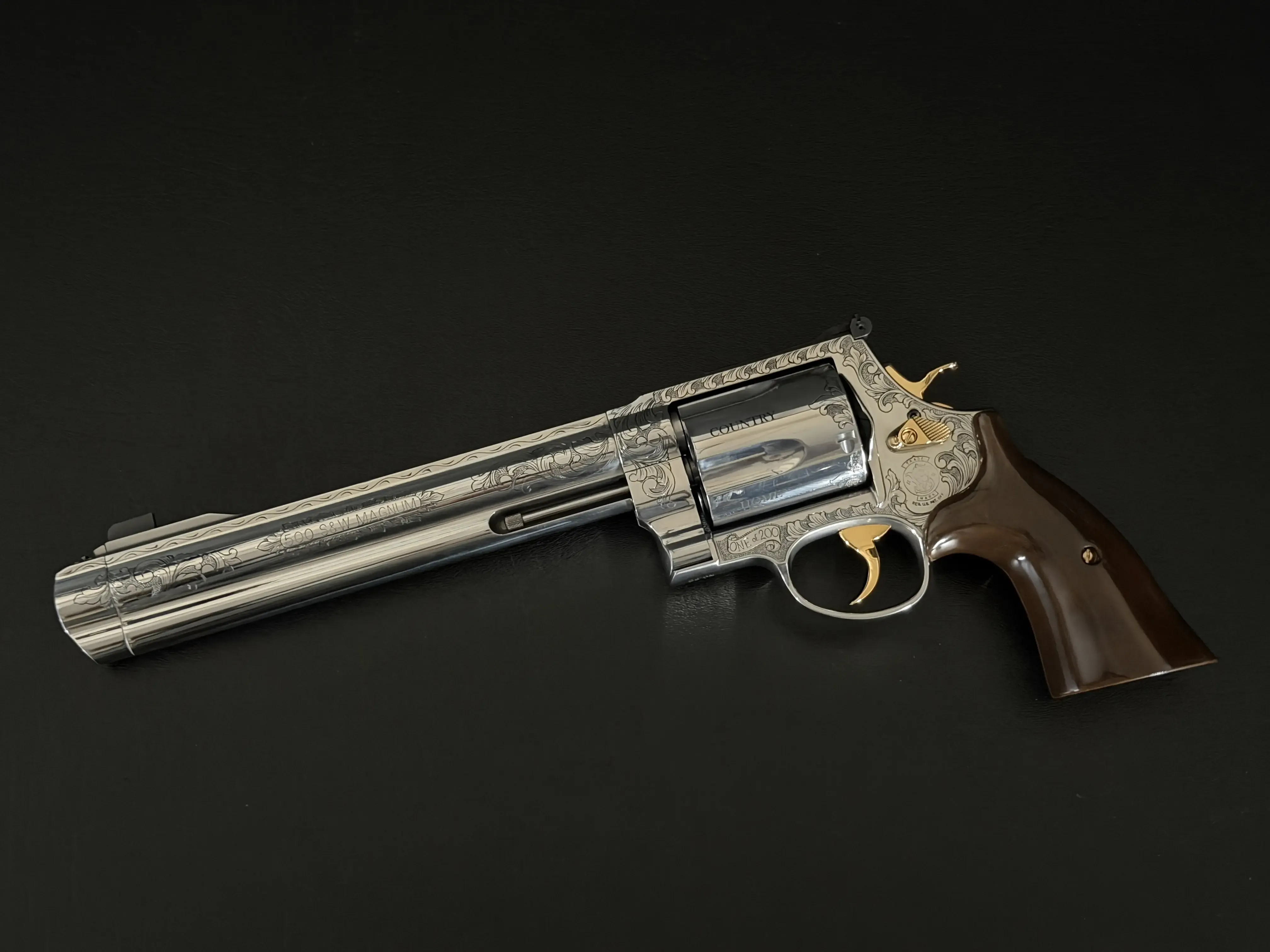
The Smith & Wesson Model 500: Engineering the X-Frame Revolver
Smith & Wesson introduced the Model 500 and its purpose-built X-Frame in 2003. Its five-shot cylinder, reinforced lockup, and evolving factory configurations distinguish it among modern production revolvers.
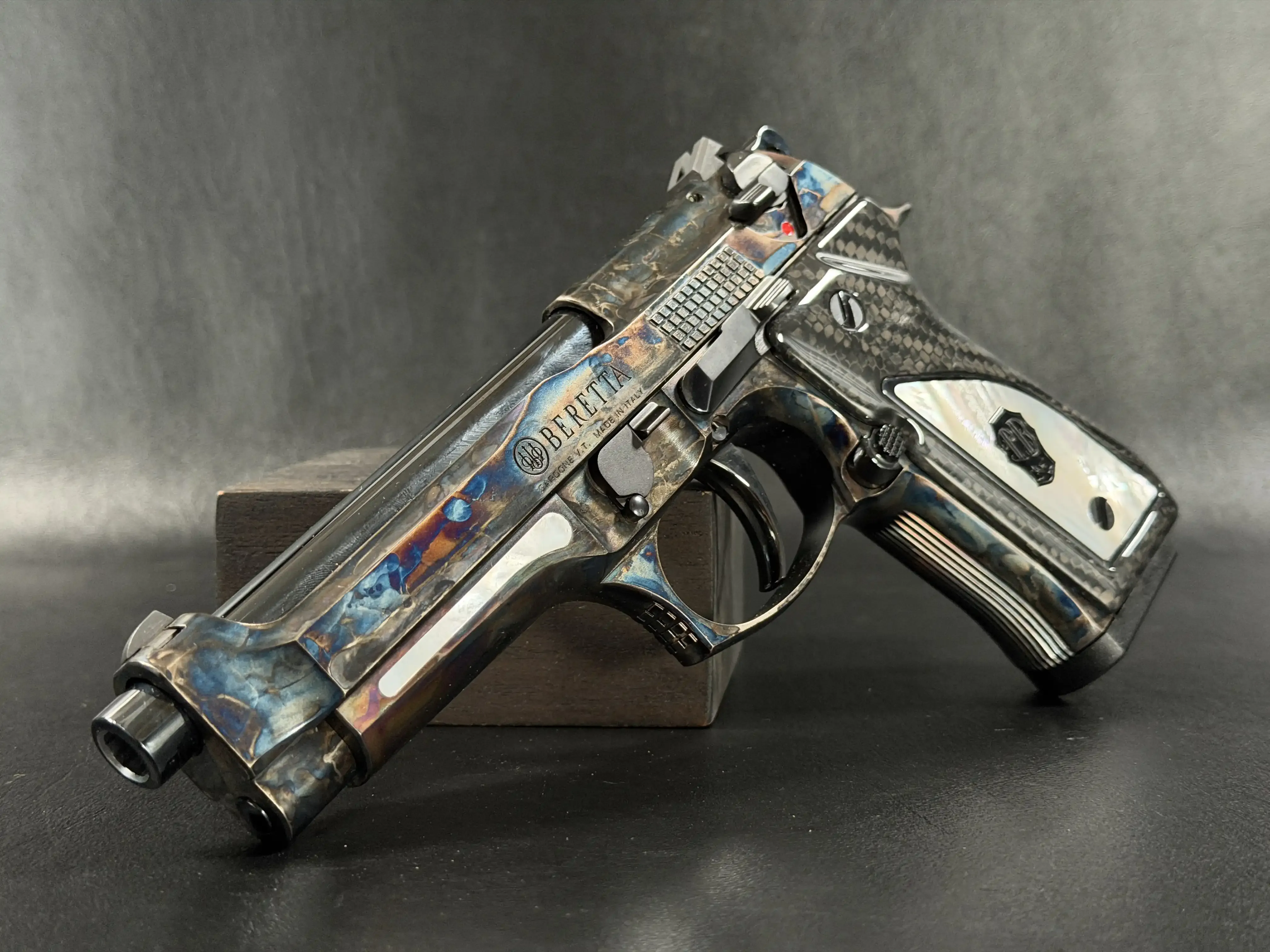
Beretta 92FS: The Mature Form of Beretta’s Military 9 mm
The Beretta 92FS is the mature form of a pistol family introduced in 1975 and later selected for U.S. military service as the M9. Its design, safety changes, variants, and markings are central to accurate collector identification.
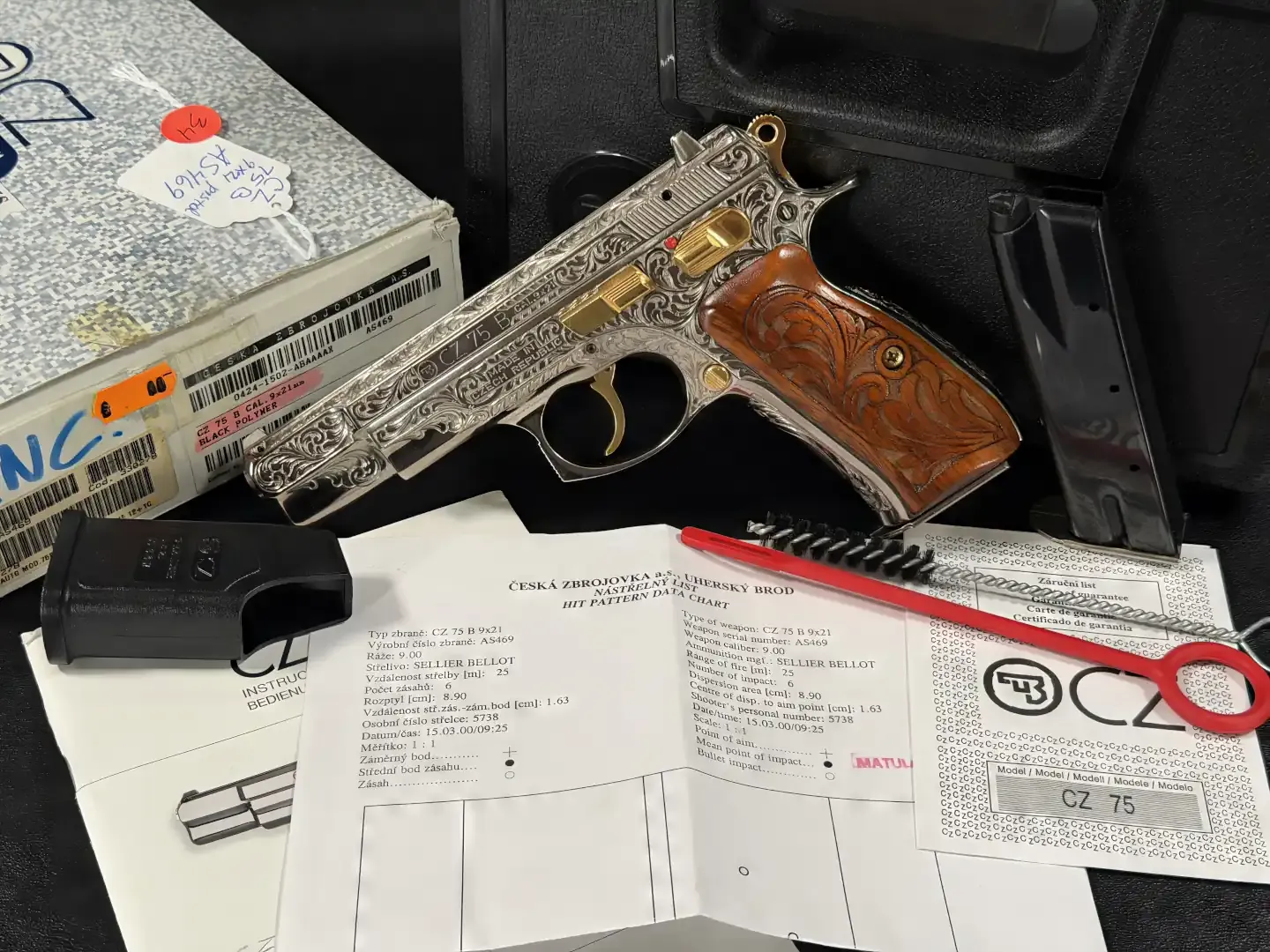
CZ 75 B: The Firing-Pin-Safe Evolution of the CZ 75
Introduced in 1993, the CZ 75 B added an automatic firing-pin block to the established CZ 75 design. Its internal safety, controls, and external features distinguish it from earlier pistols and related variants.
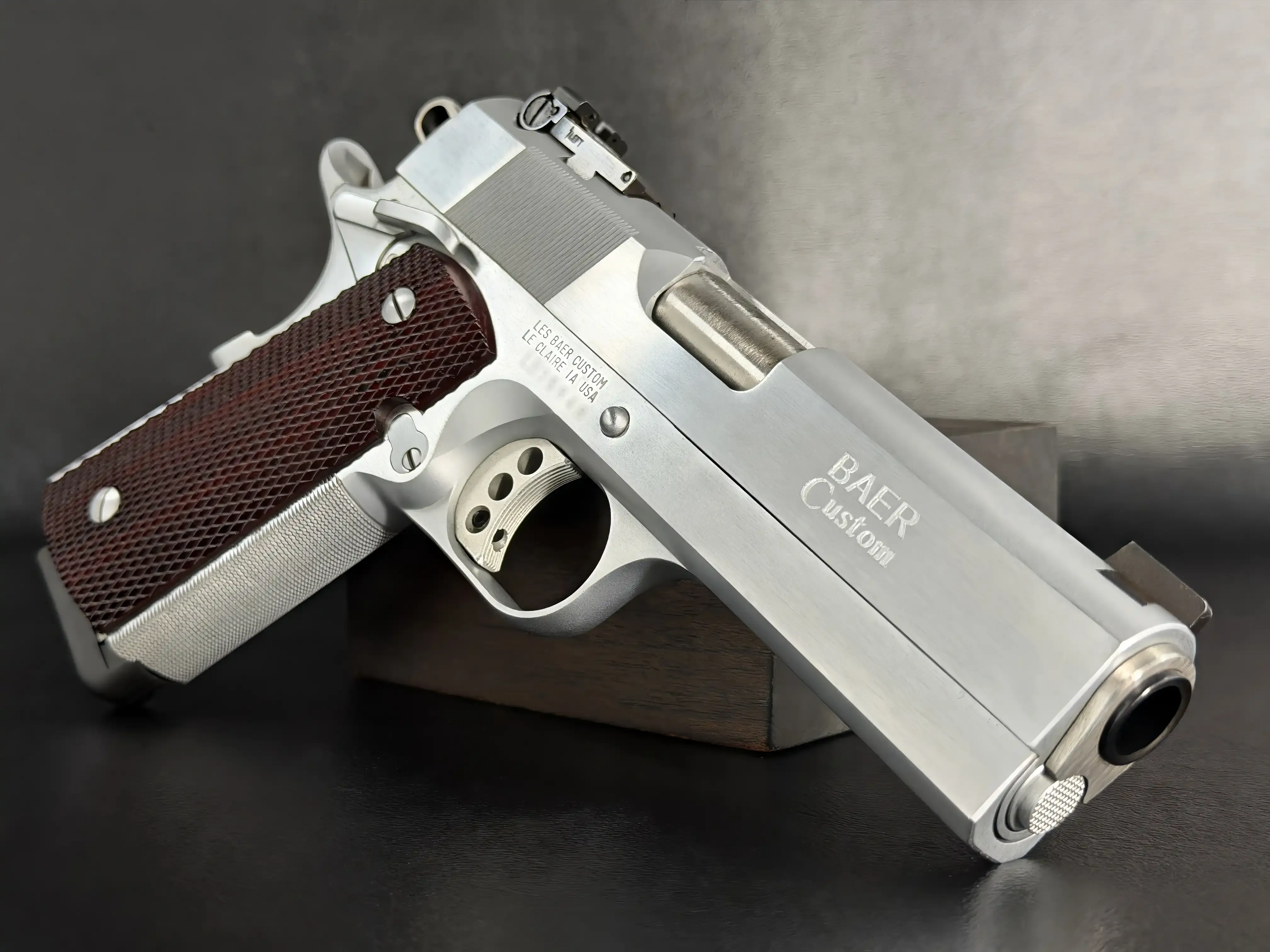
Luxury 1911s: from custom shop pistols to full bespoke builds
A 1911 that costs as much as a used car sounds like a gimmick until you handle one, and shops like Wilson Combat, Nighthawk, and Cabot have spent decades proving why the fit is worth it. This piece traces the custom 1911 world from 1970s pistolsmiths to today's full bespoke builds, and lays out what actually separates a semi-custom gun from a true one-off.
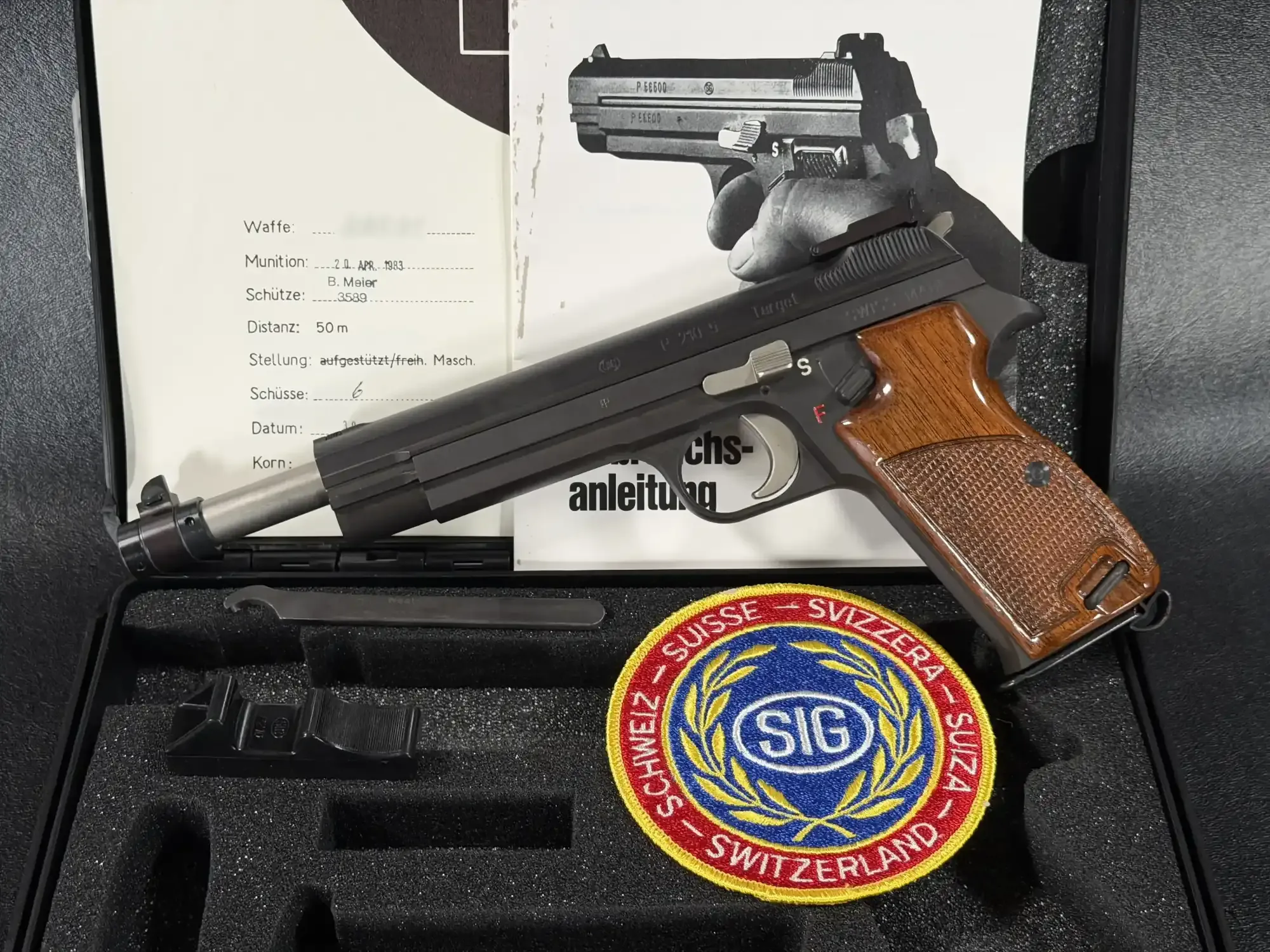
Four Collectible European Pistols Worth Knowing
This article examines four collectible European pistols with distinctive histories and mechanical designs. It also explains what collectors should verify before purchasing an example.
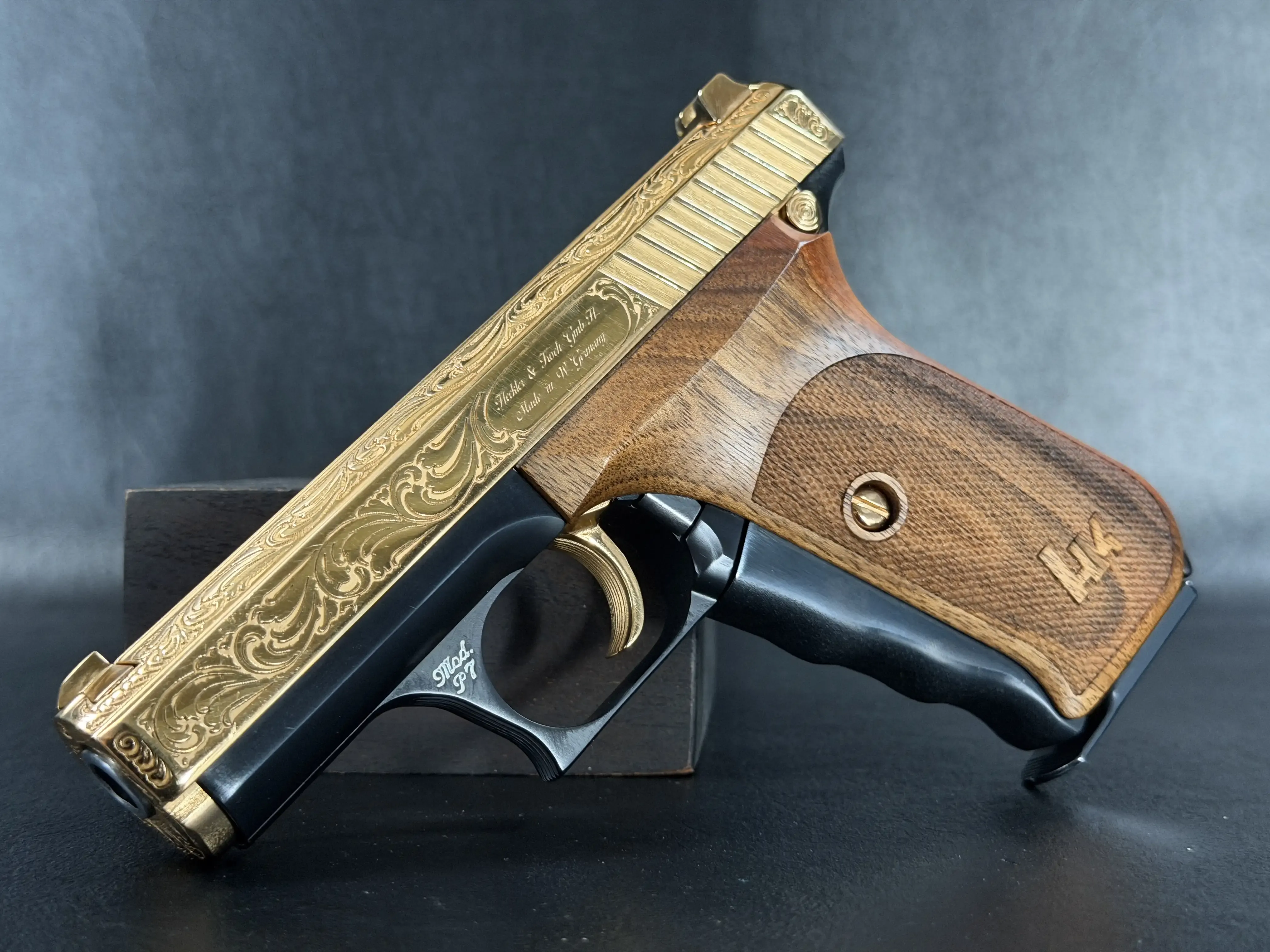
The Heckler & Koch P7: History, Operation, and Variants
Heckler & Koch built the P7 from 1979 to 2008, and clean examples now bring two to three times what they sold for new. Here's how a squeeze-cocked, gas-delayed German police pistol became one of the most chased collectibles in the handgun world.